

115 products














Cosmetics with vitamin C in skin care — why should they be used?
Vitamin C, also known as L-ascorbic acid, is an extremely valuable ingredient that is increasingly appearing in cosmetics for daily care.
Thanks to its antioxidant properties, it effectively protects the skin from the harmful effects of free radicals, helping it maintain a healthy appearance. Regular use of products with vitamin C stimulates the natural production of collagen and elastin, which makes the skin more firm and elastic
.This ingredient actively supports the lightening of hyperpigmentation and even out skin tone, as well as strengthens blood vessels and increases the level of sun protection.
Both supporters of natural cosmetics for the face and people who care for the body reach for vitamin C, so you will find it in many preparations that you can easily adjust to your expectations.The most important benefits of cosmetics with vitamin C - from lightening to smoothing wrinkles
Cosmetics with vitamin C are a truly versatile support for your skin. They perfectly cope with the lightening of hyperpigmentation, both those post-inflammatory and those formed under the influence of the sun, giving the skin a radiant, healthy appearance
.Many formulas also help smooth wrinkles and slow down the aging process, while moisturizing and regenerating the skin. Their anti-inflammatory and antibacterial effect will work especially for people with skin prone to imperfections
.In addition, vitamin C strengthens the skin's natural protective shield, which better copes with everyday challenges.
Who are cosmetics with vitamin C for?
Products with vitamin C can be recommended to practically everyone - they will work great regardless of age or skin type.
Mature skin will receive additional protection from signs of aging thanks to them, and capillary complexion can count on vascular strengthening and reducing erythema. People with sensitive skin will appreciate the soothing properties of this ingredient.
If you're struggling with hyperpigmentation, an illuminating serum will even out your complexion. Acne skin will benefit from the anti-inflammatory effect, and gray and tired skin will regain its radiance
.Cosmetics with vitamin C are also excellent for the prevention of photoaging and can be an easy way to supplement your daily care with a serum that evens out the tone.
What forms of cosmetics with vitamin C to choose?
A wide range of products with vitamin C allows you to easily choose them for your needs and favorite care stages.
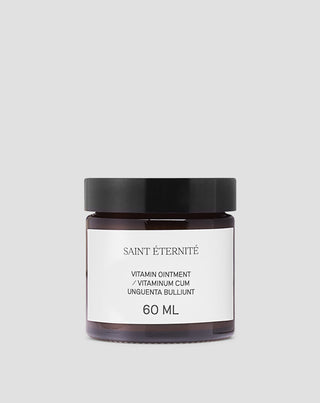
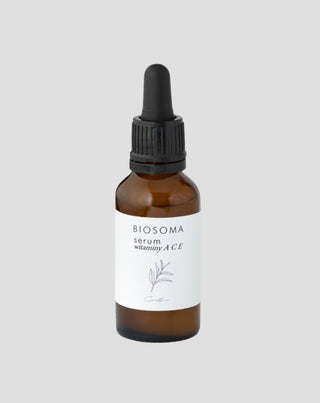
- Serum with vitamin C: an intensive treatment with a concentrated formula that quickly brings visible results.
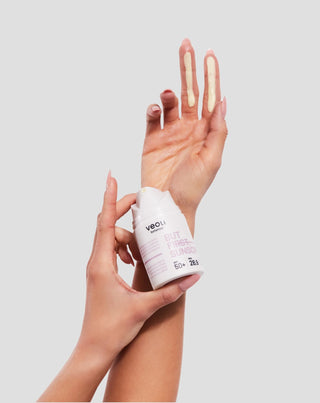
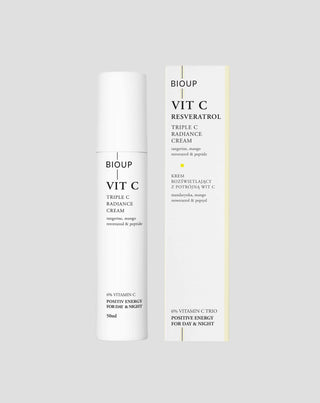
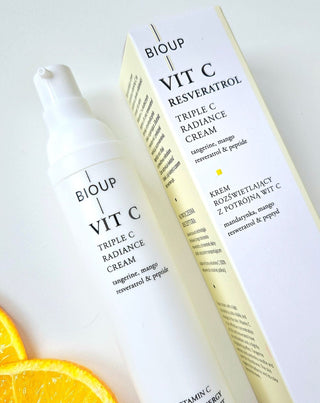
- Cream with vitamin C: ideal for daily use, great for makeup or sunscreen.
- Facial masks: excellent for weekly illuminations and deep hydration of the skin, when they have vitamin C in their composition.
Choosing the right form depends solely on what your skin needs most and at what stage of care you want to use a given product — serum, cream or mask can become a key element of daily self-care.
How to properly use cosmetics with vitamin C and combine it with other ingredients?
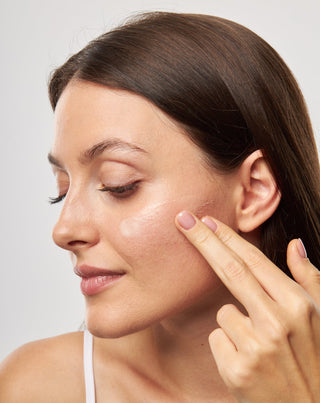
You will achieve the best results by using cosmetics with vitamin C in the morning or evening, always after a thorough cleansing of the face and before applying a moisturizer or protective cream.
If you're reaching for higher-concentration products, start by applying a few times a week, gradually increasing the frequency to allow your skin to get used to it.
Vitamin C perfectly harmonizes with sunscreens, enhancing their effectiveness, however, it does not replace a cream with UV protection. You can safely combine it with hyaluronic acid for better hydration, niacinamide to strengthen the protective barrier, natural oils or plant extracts.
If you're using retinol or intense acids, it's best to use them at different times of the day — vitamin C in the morning and retinol or acids in the evening — or keep a few hours apart to minimize the risk of irritation.
At Nutridome we also offer:
Frequently asked questions about cosmetics with vitamin C
How often should I use vitamin C serum?
The frequency of use of the serum depends on its concentration and the individual sensitivity of the skin. Preparations with a concentration of 5-10% can be applied daily
.At higher concentrations, it is recommended to start with a few uses per week, gradually increasing the frequency depending on the tolerance of the skin.
Do not forget about daily sun protection, which is an important support during treatment with vitamin C.
Does vitamin C make the skin more sensitive to the sun?
Vitamin C enhances the effect of UV filters and has an antioxidant effect, therefore it does not increase the sensitivity of the skin to sunlight.
However, it is not a substitute for a high sunscreen — daily sun protection is essential to take full advantage of the benefits of vitamin C and protect the skin from the negative effects of radiation.
When is it worth starting to use cosmetics with vitamin C?
The introduction of cosmetics with vitamin C for care can be considered after the age of 20 to support natural protection against harmful external factors.
After thirty, vitamin C becomes an invaluable component of anti-aging care and helps keep the skin in good shape on a daily basis.
How to store cosmetics with vitamin C so that they do not lose their effectiveness?
In order for cosmetics with vitamin C to retain their properties, it is best to keep them away from light and high temperature.
It is worth choosing dark glass or air-less packaging and storing products in a cool place. This will allow you to enjoy their effectiveness for longer.
Is it possible to combine vitamin C with retinol and acids?
Vitamin C can be used together with retinol or acids, however, it is best to apply it at different times of the day — for example, vitamin C in the morning and retinol or acids in the evening — or keep a few hours between applications.
This will reduce the possibility of irritation. In addition, it is worth reaching for soothing ingredients, such as hyaluronic acid or panthenol, to provide the skin with comfort during intensive care.